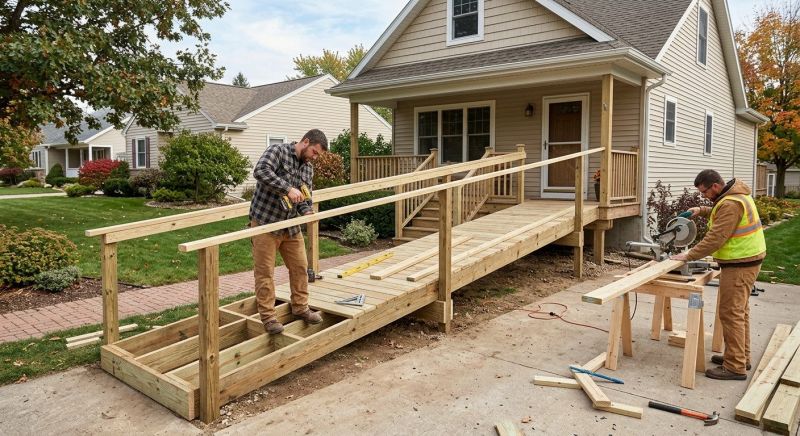
Residential Ramp Installation in Wilmington, NC
Residential ramp installation services provide customized solutions to improve accessibility around a home. These projects typically include building ramps for entryways, garages, porches, or decks to accommodate mobility devices such as wheelchairs, walkers, or scooters. Property owners often request these services to enhance safety, independence, or to comply with accessibility needs, whether for aging-in-place, disability accommodations, or temporary recovery from injury. Before requesting installation, homeowners usually want to understand the types of ramp materials available, the space requirements, and how the ramps will integrate with existing structures for a seamless, functional addition.
The scope of residential ramp projects can vary from simple portable ramps to permanent, custom-built structures. Homeowners should consider factors like the slope or incline of the ramp, the durability of materials, and any local building codes or regulations that might influence the design. It’s also important to evaluate the location for the ramp’s placement, ensuring it provides safe, easy access while fitting within the property’s layout. Clear communication about project goals and site conditions can help ensure the final installation meets accessibility needs and complements the home’s overall appearance.
Many property owners in Wilmington, NC look into Residential Ramp Installation for repairs, replacements, upgrades, and appearance-related improvements.
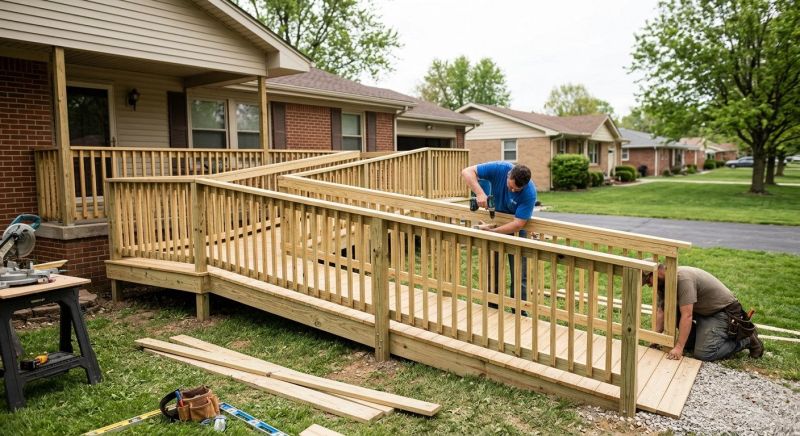
Accessibility Improvements
Residential ramps enhance safety and ease of access for all users.
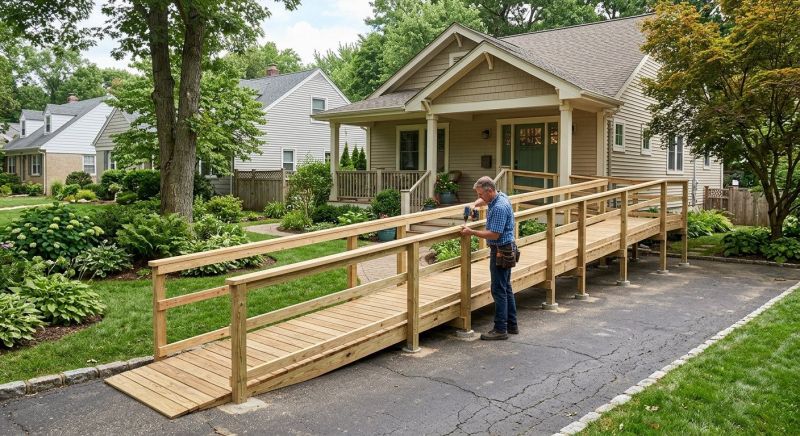
Custom Ramp Solutions
Options include various materials and designs to suit different property styles.
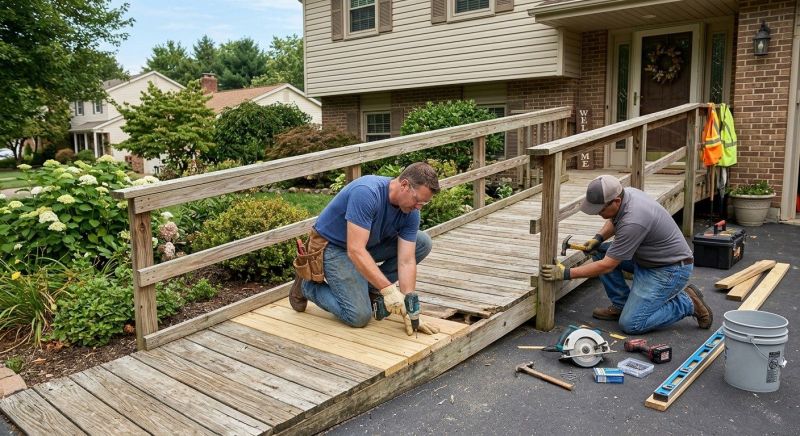
Property Value Enhancement
Installing a ramp can increase the functionality and appeal of your home.
Residential Ramp Installation in Wilmington, NC
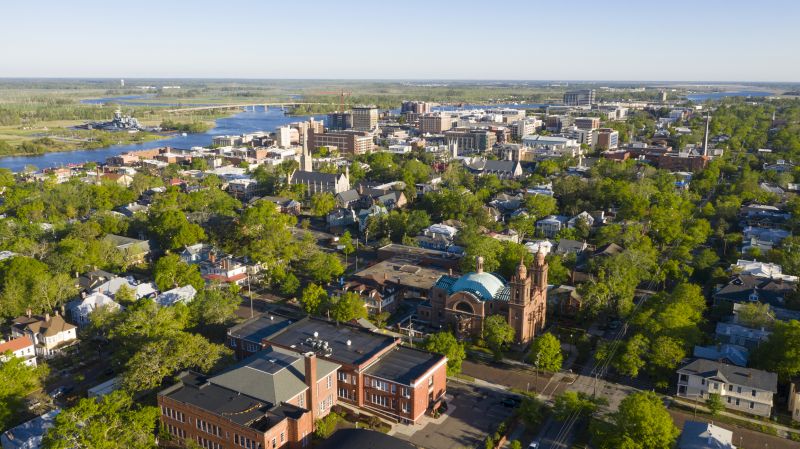
Residential ramp installation services provide customized solutions to improve accessibility around a home. These projects typically include building ramps for entryways, garages, porches, or decks to accommodate mobility devices such as wheelchairs, walkers, or scooters. Property owners often request these services to enhance safety, independence, or to comply with accessibility needs, whether for aging-in-place, disability accommodations, or temporary recovery from injury. Before requesting installation, homeowners usually want to understand the types of ramp materials available, the space requirements, and how the ramps will integrate with existing structures for a seamless, functional addition.
The scope of residential ramp projects can vary from simple portable ramps to permanent, custom-built structures. Homeowners should consider factors like the slope or incline of the ramp, the durability of materials, and any local building codes or regulations that might influence the design. It’s also important to evaluate the location for the ramp’s placement, ensuring it provides safe, easy access while fitting within the property’s layout. Clear communication about project goals and site conditions can help ensure the final installation meets accessibility needs and complements the home’s overall appearance.
Many property owners in Wilmington, NC look into Residential Ramp Installation for repairs, replacements, upgrades, and appearance-related improvements.
Common Residential Ramp Installation Jobs
Residential Ramp Installation - provides accessible entry solutions for homes and properties.
Wheelchair Ramps - designed to improve mobility for residents with limited mobility.
Portable Ramps - ideal for temporary or seasonal access needs around the property.
Threshold Ramps - help to bridge door thresholds and small elevation changes.
Custom Ramp Solutions - tailored to fit specific property layouts and accessibility requirements.
Outdoor Ramps - durable options for steps, porches, and uneven terrain around the home.
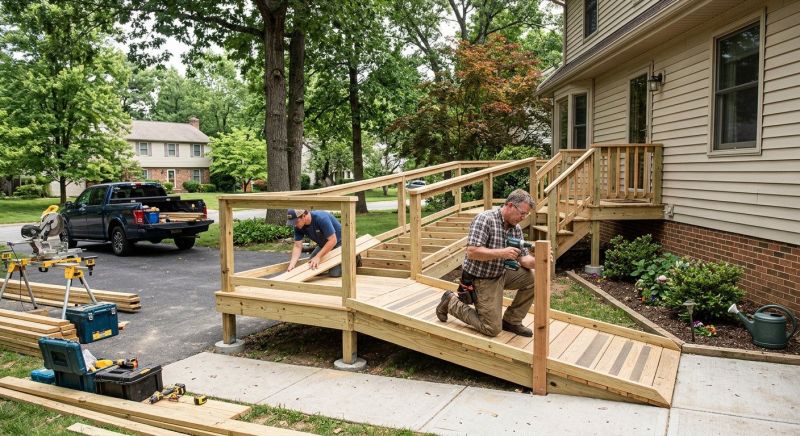
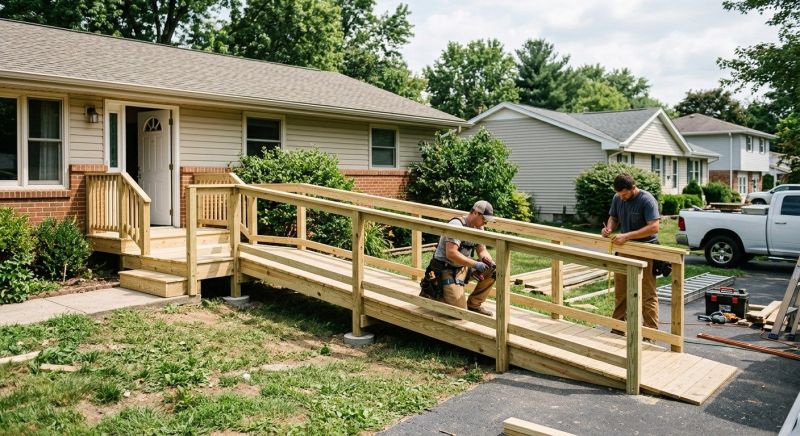
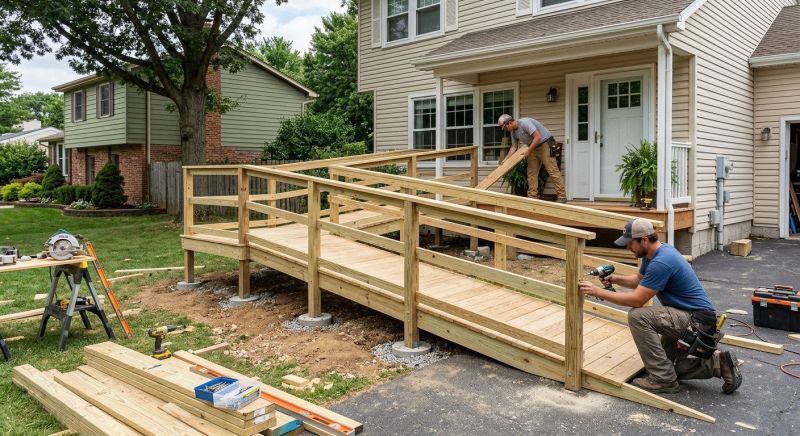
Residential Ramp Installation Questions
What types of ramps are available for residential installation? There are various options including portable, modular, and custom-built ramps to suit different property needs and accessibility requirements.
How can a residential ramp improve property accessibility? A ramp provides a safe and stable pathway for wheelchairs, walkers, or mobility devices, making entrances more accessible for residents and visitors.
What materials are commonly used for residential ramps? Common materials include aluminum, wood, and composite decking, chosen for durability, safety, and weather resistance.
Are there any building codes or regulations to consider? Yes, local building codes specify dimensions, slope, and safety features to ensure ramps are compliant and safe for use.
Request Residential Ramp Installation in Wilmington, NC
Use the quote form on this page to share the basics of your project and request more information for the type of work you need.